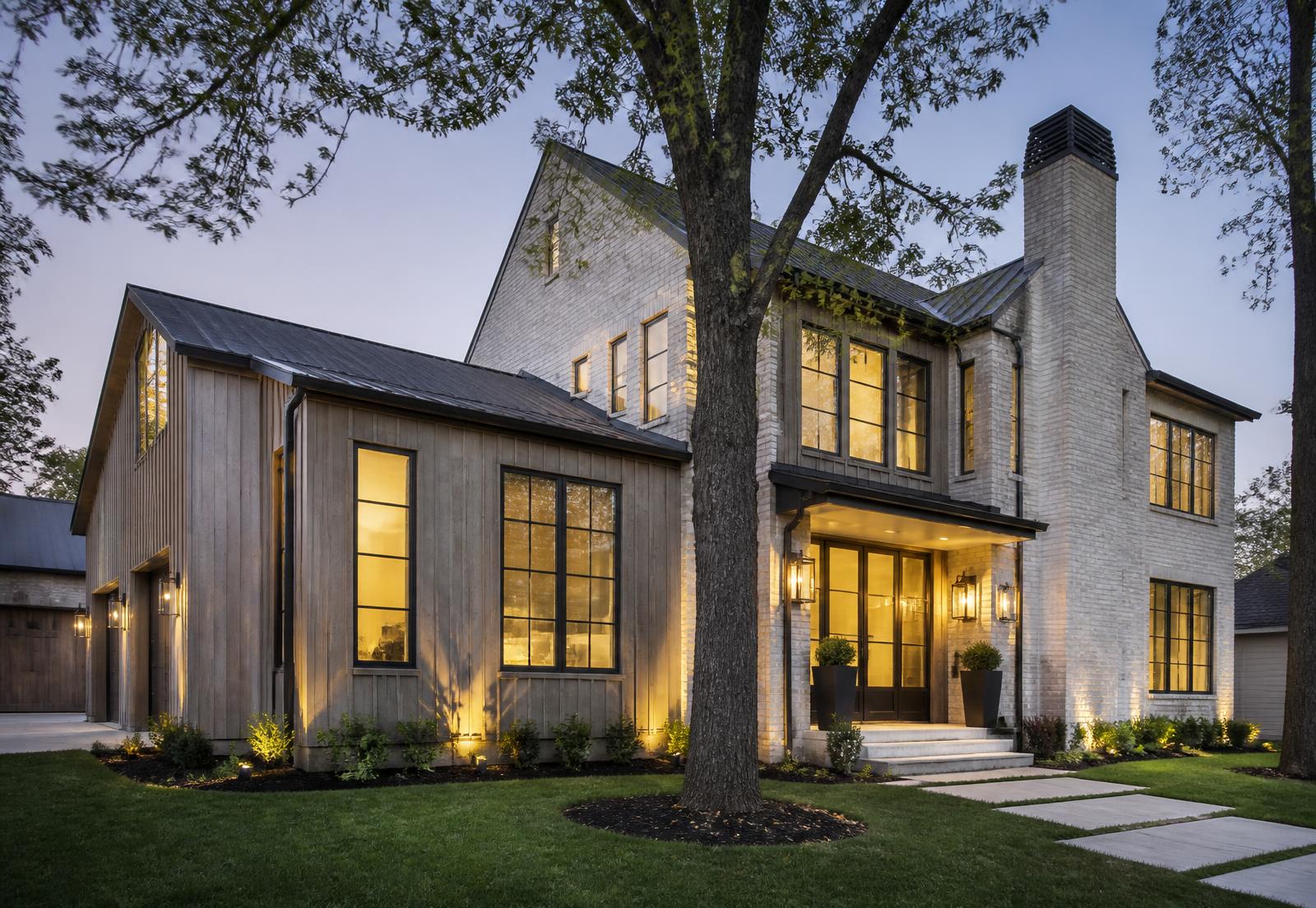
Renovation work underway on a historic bungalow in NoDa Charlotte

Design & building

Custom Homes & Renovation in NoDa

A century-old village, a 2023 ordinance, and lots barely wide enough to stage a dumpster.

Renovating in NoDa is a specialist exercise. The buildings are old, the lots are tight, the neighbors are close, and a meaningful share of past work was done without permits during the decades when nobody was watching.

Done well, the results are the best housing in the district. Done badly, they are the cautionary tales that everyone on the block can point at.

Scope before price

The single most reliable predictor of a bad NoDa renovation is a budget set before a scope. Pre-1930 structures reveal foundation, framing, and electrical conditions that a walkthrough cannot see, and those discoveries are where projects go sideways.

Get a structural assessment and a permit history pull before committing to a number. Both are cheap relative to what they prevent.

Permits, review, and licensing

Building, electrical, mechanical, and plumbing permits are issued through Mecklenburg County Code Enforcement, with zoning clearance from the City of Charlotte. Where a local historic designation applies, design review precedes permitting for street-visible exterior work.

North Carolina requires a licensed general contractor above the statutory project cost threshold, and license status is publicly verifiable through the state board. Verify it — do not accept a card.

Before you sign anything

  • Permit history pull

    Reveals what was declared and, by omission, what was not.

  • Structural assessment

    Piers, framing, and past addition tie-ins are the recurring cost drivers.

  • Historic review check

    Applies only in locally designated areas, but changes design fundamentally where it does.

  • License verification

    Confirm general contractor licensure with the state board before signing.

Site logistics on a mill-village lot

There is no lay-down yard. Material deliveries, dumpsters, and equipment have to be sequenced against a street that neighbors park on, and tree protection frequently constrains access further.

Builders who work this district plan around it. Builders who do not lose weeks to it.

What to preserve, and what to replace

Keep porch structure, original siding where sound, window proportion, and any legible historic detail — those are the things buyers pay for. Replace systems without sentiment: wiring, plumbing, HVAC, and insulation carry no character value and enormous performance value.

The best outcomes in NoDa look old from the street and perform like new inside.

How local historic review affects a NoDa renovation

Design review is triggered by a parcel's location, not by the scope of the project. Inside a locally designated historic area, any street-visible exterior change — siding, windows, roofing, additions, even paint in some overlays — requires review before a building permit is issued. Interior work and anything not visible from the public right-of-way generally falls outside that review.

The practical effect is sequencing: a homeowner planning an addition or new windows needs the design review step built into the schedule from the start, because it happens before permitting, not alongside it. Skipping it is not a shortcut; it produces a stop-work order and a redesign under time pressure.

Budgeting a renovation in stages

A realistic NoDa renovation budget separates into rough phases: investigation, core scope, and contingency. Investigation covers the structural assessment, permit history pull, and any exploratory demolition needed to see behind plaster and framing before pricing anything firmly. Core scope is the renovation as designed once conditions are known.

Contingency should be sized larger than a typical suburban renovation, because pre-1930 construction reliably surfaces conditions a walkthrough cannot see — settled piers, undersized electrical service, or framing tied into a past addition that was never properly connected. Treating contingency as optional is how fixed budgets fail midway through a project.

Rough phases of a renovation budget

  • Investigation phase

    Structural assessment, permit history, and exploratory opening-up before final pricing.

  • Core renovation scope

    The designed work, priced once conditions behind walls and floors are known.

  • Contingency reserve

    Sized above typical new-construction norms given the age and unpermitted-work history of the housing stock.

Answers

Questions & Answers

Do I need a permit to renovate in NoDa?
Yes for structural, electrical, mechanical, and plumbing work. Permits are issued through Mecklenburg County Code Enforcement with zoning clearance from the City of Charlotte, and historic design review applies to street-visible exterior work in locally designated areas.

Source: City of Charlotte / Mecklenburg County Code Enforcement permitting

How do I verify a contractor's license in North Carolina?
The North Carolina Licensing Board for General Contractors maintains a public license lookup. State law requires a licensed general contractor for projects above the statutory cost threshold.

Source: NC Licensing Board for General Contractors

Why do NoDa renovations cost more than expected?
Pre-1930 construction commonly reveals pier and foundation settlement, framing issues at past addition tie-ins, outdated electrical service, and unpermitted prior work — none of which are visible at a walkthrough.

Source: City of Charlotte / Mecklenburg County Code Enforcement permitting

Can I add a second story to a NoDa cottage?
Sometimes. Height, setback, and lot coverage limits under Charlotte's Unified Development Ordinance are restrictive on small mill-village lots, and design review may apply within a local historic area. Check the specific parcel first.

Source: City of Charlotte Unified Development Ordinance (2023)

Is unpermitted work common in NoDa houses?
It is common enough to check for on every purchase. Much of the district's alteration history occurred during decades when property values were low and informal work was widespread. County permit records show what was declared.

Source: City of Charlotte / Mecklenburg County Code Enforcement permitting

What triggers historic design review in NoDa?
Location, not scope. Any street-visible exterior change on a parcel within a locally designated historic area requires design review before permitting — additions, windows, siding, and roofing among them. Interior work and changes not visible from the public right-of-way are not subject to that review.

Source: City of Charlotte / Mecklenburg County Code Enforcement permitting

How much contingency should I budget for a NoDa renovation?
More than a typical renovation budget elsewhere in Charlotte. Pre-1930 construction routinely reveals foundation settlement, undersized electrical service, and framing tied into undocumented past additions, none of which are visible before walls and floors are opened.

Source: NC Licensing Board for General Contractors

Recommendations

Who we recommend in NoDa

Four specialists we point people toward when a NoDa project moves from reading to doing. Each works this neighborhood specifically, not the metro generally.

Builder & renovation

Peters Custom Homes

New construction, mill-village restorations, and additions built to survive a historic district's constraints — from foundation work on 1910 cottages to infill on tight 28205 lots.

Real estate

Peters & Associates

Representation for buyers and sellers across NoDa's lofts, bungalows, and condo communities, with the market read that comes from working one neighborhood closely.

Interior design

Emerald & Oak

Interiors for brick-and-timber lofts and small-footprint bungalows: material palettes, custom millwork, lighting, and furnishing plans that respect the building.

Smart home & AV

Peters Audio Video

Networking, whole-home audio, theater, lighting control, and shading — engineered for masonry walls and open loft volumes where signal and acoustics fight back.