Journal · September 14, 2026
Walking 36th Street: What Changed and What Endures in NoDa
An editorial walk along East 36th Street explores the evolving rhythm of NoDa's historic arts strip, balancing fresh murals and new construction with timeless mill village soul.
East 36th Street serves as the central axis of NoDa, cutting straight through the heart of Charlotte’s most storied arts district. Stepping off the light rail platform and heading west toward North Davidson Street, you immediately feel the friction and harmony between the neighborhood’s industrial past and its modern urban density. Every season brings subtle shifts to this corridor—a fresh layer of paint over an alley mural, a new retailer setting up shop inside a converted brick bay, or altered foot-traffic patterns as new residential communities settle in. Yet beneath the continuous turnover, the foundational texture of North Davidson remains remarkably steady.
The Core Promenade: Where Transit Meets Village Scale
Walking the strip begins naturally at the 36th Street Station. The Lynx Blue Line extension fundamentally reshaped how residents and visitors access the district, providing direct light-rail connectivity to Uptown Charlotte and University City. For detailed information regarding route schedules and regional connections, consult the Charlotte Area Transit System (CATS). To understand how this infrastructure integrates into daily pedestrian life, our NoDa transit and walkability guide covers the multi-modal flow across ZIP 28205.
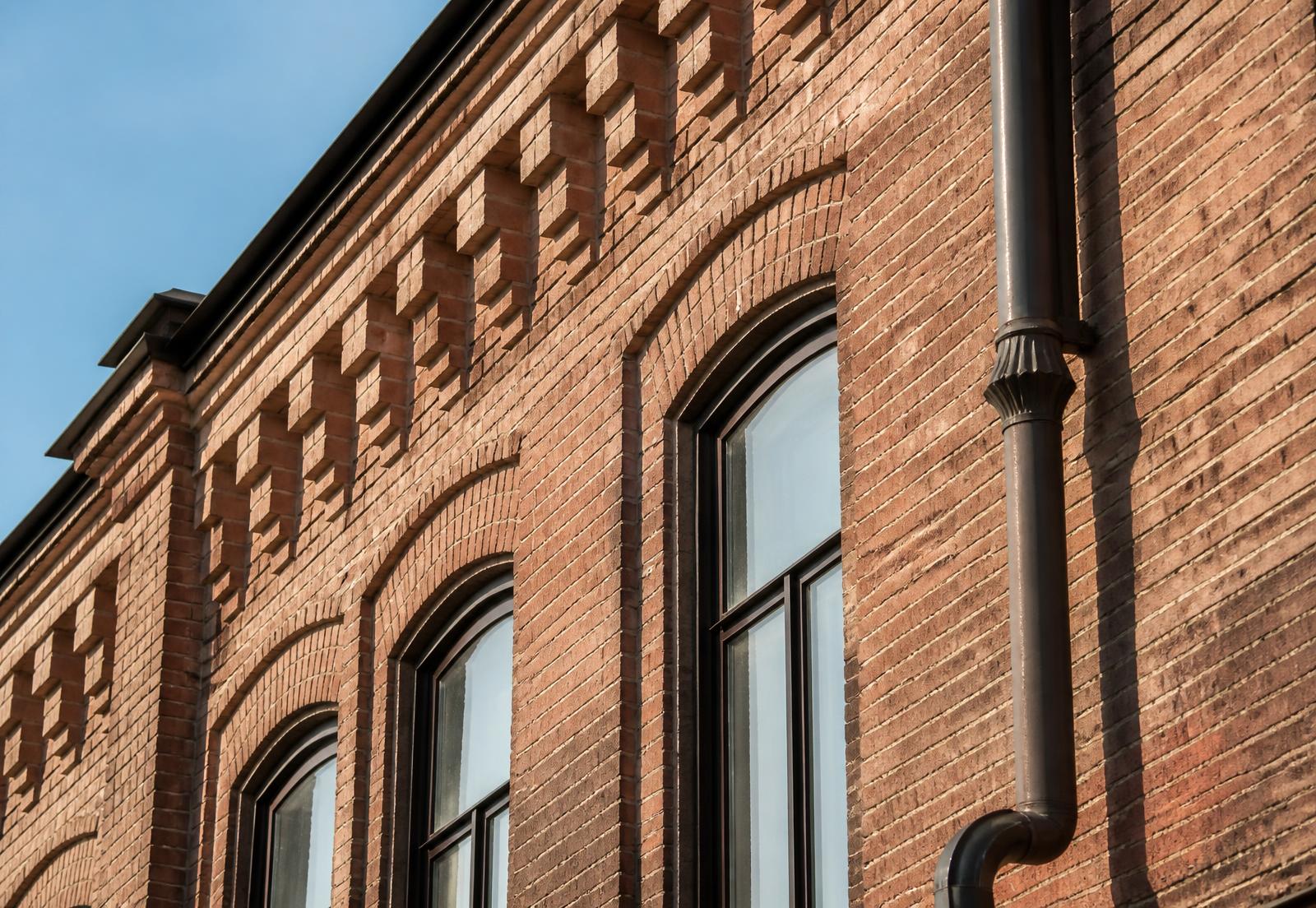
As you move away from the tracks, the elevation rises slightly toward the central crossroads at North Davidson Street. This stretch encapsulates the architectural dialogue that defines the district. On one side, mid-rise developments like Mercury NoDa reflect modern transit-oriented design, while across the way, century-old brickwork anchors the corridor to its textile heritage. The scale here allows pedestrians to take in street art at eye level while remaining connected to the broader skyline just visible in the distance.
What Changed This Season: New Murals, Refined Storefronts, and Fresh Energy
The visual landscape along 36th Street is never static. Local artists and visiting muralists continuously refresh alley walls, electrical boxes, and building facades, making every quarterly stroll feel slightly different. This season, several pocket walls along the secondary pedestrian pathways off 36th have received new coats of pigment, introducing bold geometric patterns and portraiture that comment on Charlotte’s rapid evolution. Exploring our guide to NoDa murals and public art offers deeper context on how these rotating installations are curated and preserved by local arts advocates.
Retail spaces along the corridor have also experienced deliberate refinements. Rather than broad, sweeping redevelopments, the current changes are granular: boutique concepts finding footing in legacy storefronts, independent makers sharing footprint space, and outdoor seating configurations adapting to peak weekend foot traffic. The pedestrian experience feels tighter and more intentional. Sidewalk patios along the 36th Street approach hum during morning coffee runs and transition seamlessly into evening gatherings, showing how flexible urban spaces sustain community life without requiring wholesale demolition.
What Stayed the Same: The Mill Village Anchor and Creative Grit
Despite ongoing infill, the essential character of East 36th Street remains anchored in its roots as a turn-of-the-century textile hub. The historic brick mills that bookend the district—most notably Highland Park Mill No. 3, now preserved as Highland Mill Lofts—stand as permanent reminders of the labor history that built this pocket of Mecklenburg County. Those interested in the preservation of these industrial structures can explore our overview of NoDa mill lofts and adaptive reuse.
What endures most vividly is the neighborhood’s pedestrian priority. While automobile traffic navigates the intersection of 36th and North Davidson, pedestrians dictate the tempo. The crosswalks remain lively meeting grounds where longtime bungalow residents, new apartment tenants, and visiting art lovers cross paths. The community’s commitment to preserving historic mill cottages on the surrounding residential side streets provides a strong structural boundary against unchecked commercial creep, maintaining a distinct village atmosphere rarely found in high-growth Sunbelt cities.
Navigating the Side Streets: Architectural Contrasts
Turning just half a block off 36th Street reveals the quiet residential fabric that supports the arts strip. Craftsman bungalows with broad front porches, metal roofs, and mature tree canopies contrast sharply with the industrial brick and steel along the commercial spine. In recent years, sensitive renovations by regional builders, including boutique work by firms such as Peters Custom Homes, have demonstrated how modern interior conveniences can be integrated while respecting historic exterior proportions.
For prospective residents and curious visitors exploring the broader layout, our detailed interactive NoDa map highlights how East 36th Street intersects with surrounding residential micro-pockets. Whether examining the historic mill cottages along Charles Avenue or the newer residential townhome infill tucked behind the commercial core, the walk illustrates how high-density transit corridors and quiet residential blocks can coexist within a compact, walkable footprint.
Tips for Walking the 36th Street Corridor
- Start early for the architecture: Morning light across the brick facades of 36th Street offers the best viewing angles for architectural photography and mural appreciation before sidewalk patios fill.
- Explore the alleyways: Some of the district’s best independent art is tucked into narrow pass-throughs and behind historic buildings rather than directly on the main streetfront.
- Check official transit schedules: If arriving via the Lynx Blue Line, check real-time departure boards via CATS applications to plan your return trip easily.
- Verify zoning and property boundaries: Those interested in parcel history and zoning overlays along East 36th Street should reference Mecklenburg County POLARIS and City of Charlotte public records for accurate, up-to-date data.
The Continuous Narrative of 28205
Walking East 36th Street this season reminds us that vibrant urban neighborhoods are neither frozen museum pieces nor blank slates for sterile development. NoDa’s arts strip thrives precisely because it welcomes reinvention within a framework of historic preservation. As long as the community continues to champion independent artists, local merchants, and pedestrian-first infrastructure, East 36th Street will remain the creative heartbeat of Charlotte.
Answers
Questions & Answers
Where does the 36th Street arts corridor begin and end?
How can I check public transit options to 36th Street in NoDa?
Where can I find historical and property zoning data for East 36th Street?
Source: City of Charlotte Unified Development Ordinance (2023)
More from the journal
NoDa Mill-Loft Housing: Shifts and Constants
An editorial assessment of NoDa's historic mill-loft housing stock, exploring architectural continuity alongside modern interior and occupancy shifts in 28205.
In practice
The people we send readers to
Reading only gets a NoDa project so far. When it turns into drawings, offers or wiring, these are the practices we name — each works this neighborhood specifically.
Editorial recommendations — see how we choose
- 01
Real estate
Peters & Associates
Buyer and seller representation across NoDa's mill lofts, bungalows and condo communities — the market read that comes from working one neighborhood closely rather than the whole metro thinly.
Read the NoDa market desk at Peters & Associates (opens in a new tab) — yourleaderinluxury.com
- 02
Building & renovation
Peters Custom Homes
New construction, mill-village restorations and additions built for a historic district's constraints — foundation work under 1910 cottages, infill on tight 28205 lots, roofs that answer to the streetscape.
Read how Peters Custom Homes approaches a historic-district build (opens in a new tab) — peterscustomhomes.com
- 03
Interior design
Emerald & Oak
Interiors for brick-and-timber volumes and small-footprint bungalows: material palettes, custom millwork, lighting plans and furnishing layouts that let the original building keep the last word.
Read the loft interiors Emerald & Oak has drawn (opens in a new tab) — emeraldoakdesign.com
- 04
Smart home & AV
Peters Audio Video
Networking, whole-home audio, theatre, lighting control and shading engineered for masonry walls and open loft volumes, where signal and acoustics both fight back.
Read the systems work Peters Audio Video does in old masonry (opens in a new tab) — petersaudiovideo.com
- 05
Charlotte-wide search
Peters Team
For readers weighing NoDa against Plaza Midwood, South End or the lake corridors, a broader Charlotte practice that can hold several neighborhoods in view at once.
Read a wider Charlotte search with the Peters Team (opens in a new tab) — petersteamrealty.com