Journal · November 12, 2026
Investing in NoDa Without Betting on the Neighborhood Name
NoDa’s identity can explain an investment thesis, but rental permissions, building obligations, and conservative cash flow must carry the decision.
Investing in NoDa real estate begins with a distinction: a recognizable neighborhood is not the same thing as a dependable investment. North Davidson’s association with mills, arts, and neighborhood-scale commerce provides context for why someone might want to live here. It does not establish what a particular home can legally earn, what it will cost to maintain, or how easily an owner can sell it.
The useful question is not whether NoDa Charlotte has an appealing story. It is whether an investment works after that story is translated into verifiable permissions, realistic expenses, and a plan for disappointing outcomes. Those checks matter for a first rental bungalow, a condominium, or a property held with eventual owner occupancy in mind.
Separate neighborhood identity from the investment boundary
NoDa’s mill-village history helps explain its mix of building forms and the relationship between housing and former industrial properties. Our history of NoDa and the mill village offers that background. For investing, the practical consequence is variation: an older detached home and a unit in an adapted mill building can share a neighborhood label while placing very different obligations on their owners.
Likewise, 28205 is a postal designation, not a uniform rental market or a legal definition of NoDa. Start with the parcel rather than a marketing boundary. Use Mecklenburg County POLARIS to identify the parcel, recorded ownership, land characteristics, and available assessment information. Compare those details with deed records and a survey when boundaries, access, or easements matter; a map display is not a substitute for a legal boundary determination.
Then establish the immediate context. Our guide to NoDa streets and sub-pockets can help frame the questions, but readers should inspect actual routes, street conditions, and adjoining uses themselves. A neighborhood-wide average cannot explain a bedroom facing a service area or a driveway with awkward access.
Decide what operation you are actually buying
Write down the intended use before estimating returns: a conventional long-term rental, furnished housing, owner occupancy with a rented portion, or another arrangement. These are not interchangeable operating models. They involve different turnover patterns, furnishing needs, insurance questions, and potential restrictions. Do not assume a fallback use is available simply because another property advertises it.
Confirm current zoning and applicable development rules through the City of Charlotte. Describe the proposed use precisely, including whether you intend to create another dwelling, change occupancy, or undertake work. Ask what approvals and permits would be required. Separately review recorded covenants, association declarations, and other private restrictions with qualified legal help. Municipal permission does not override a private restriction.
For an occupied property, obtain the actual leases, amendments, deposit records, payment history, and any notices affecting occupancy. Have counsel clarify obligations that transfer with ownership. An advertised rent, an executed lease, and rent consistently collected are three different kinds of evidence.
Match the building to its obligations
A detached house puts the roof, exterior, drainage, and much of the surrounding site directly into the owner’s maintenance plan. Inspection should address condition and remaining service life rather than merely produce a list of functioning components. Ask specialists to investigate material concerns, and use written estimates to distinguish immediate work from longer-term replacement reserves.
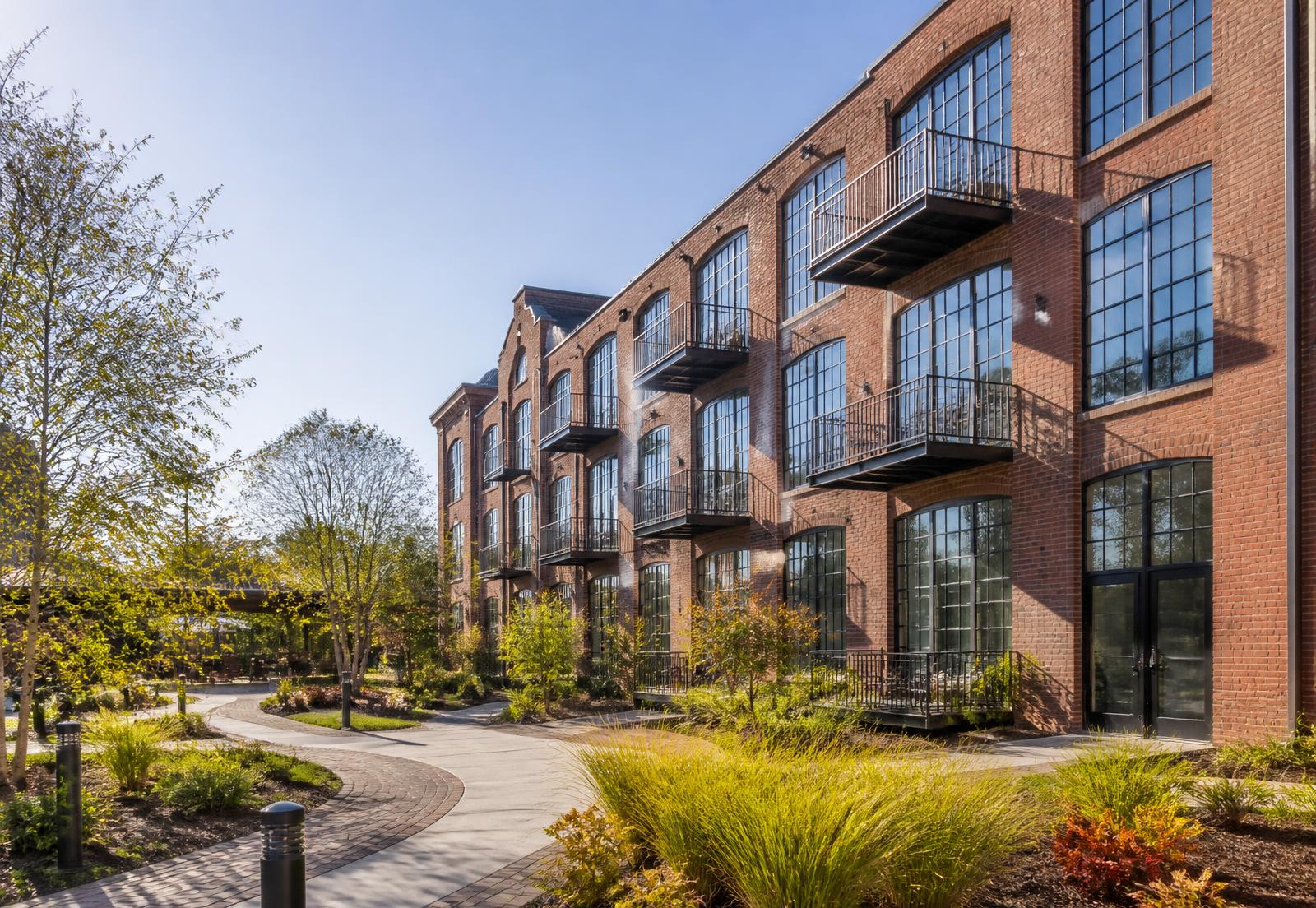
Adaptive reuse requires a different set of questions. With NoDa mill lofts and converted buildings, establish which systems serve the unit and which are shared. Ask about sound transmission, windows, moisture management, and restrictions on alterations. Historic character is an architectural attribute, not evidence of low operating costs or eligibility for a financial incentive.
For condominiums and townhomes, do not infer the ownership structure from the building’s appearance. Review the declaration, maintenance responsibilities, current budget, financial statements, reserve information, insurance, meeting minutes, and any pending or approved assessments. Verify rental caps, approval procedures, waiting lists, and lease-length restrictions in the governing documents. Ask whether the intended use affects financing or insurance eligibility.
Underwrite income, not the asking-rent headline
Build rental comparisons around the features a tenant actually receives: unit type, condition, bedroom layout, parking, outdoor space, utilities, and lease terms. Distinguish advertised availability from signed leases, and account for concessions where documented. If reliable evidence is unavailable, mark the assumption as uncertain instead of presenting a confident rent estimate.
A working model should include more than mortgage payments and taxes:
- Income adjustments: vacancy, turnover gaps, concessions, and collection losses.
- Routine operations: insurance appropriate to the use, management, repairs, owner-paid utilities, association charges, and leasing costs.
- Capital needs: reserves for major replacements and any known work identified during due diligence.
- Acquisition and exit: financing charges, closing expenses, sale costs, and potential taxes reviewed with an adviser.
Use Mecklenburg County assessment and tax records to understand the current tax position, but do not assume the same bill persists throughout ownership. Obtain property-specific insurance and financing quotes. Calculate operating income before debt service, then separately show cash remaining after loan payments and capital reserves. Keeping those layers visible makes a weak investment harder to disguise.
Test the route and the downside
The CATS Blue Line is part of NoDa’s transportation context, but proximity alone does not establish tenant demand. Our transit and walkability guide provides a starting framework. Verify current stations, service information, and connections with CATS, then examine the actual route from the property: crossings, sidewalks, accessibility, and the destination someone needs to reach. Do not convert a map measurement into a promised commute.
Stress-test the investment without assuming appreciation will rescue it. Model lower collected rent, a longer vacancy, an insurance increase, and a significant repair. For an association property, add a possible assessment scenario without implying one is expected. Ask how much accessible cash would be needed and whether the owner could carry the property through overlapping problems.
Also test the exit. Could the property appeal to an owner-occupant as well as another investor? Would tenant occupancy, unresolved work, or association restrictions complicate a sale? These are questions to investigate, not reasons to assume a future buyer will pay more.
Make uncertainty part of the decision
The broader NoDa investing guide can organize the process, but the final decision needs a property-specific evidence file. Keep each assumption beside its source, the date obtained, and the person responsible for resolving gaps. Make unanswered questions visible before contractual deadlines, with professional advice about available protections.
A durable investment thesis should also fund competent ownership: timely repairs, clear leases, and compliance with applicable housing requirements. NoDa’s identity may support interest in living here. The investment still has to survive on lawful use, a maintained building, and cash flow that does not depend on everything going right.
How this entry was made: journal entries are drafted with an AI writing model and published automatically only after passing editorial checks for length, sourcing language, internal links and banned unverified claims. They contain no first-hand visits, interviews or quotes. Read our methodology and disclosures, or report an error to npeters@yourleaderinluxury.com.
Answers
Questions & Answers
Is a NoDa address enough to establish a good rental investment?
Where to verify: USPS ZIP Code lookup
How can an investor verify whether a NoDa property can be rented?
Where to verify: City of Charlotte Unified Development Ordinance (2023)
What should a conservative NoDa rental analysis include?
More from the journal
Making Room in NoDa: A Brief for Custom Homes and Renovations
A useful NoDa building brief starts with the existing house, the limits of the lot, and the everyday life the finished project needs to support.
NoDa, Plaza Midwood, South End or Uptown: Choosing Your Context
The useful comparison is not which Charlotte neighborhood wins, but which street pattern, building type and daily routine fit the way you live.
NoDa Infill: What Gets Built, and What Comes With It
New construction in NoDa is more than a building type: it changes how parcels, streets, infrastructure, and neighbors fit together.
Publisher's businesses
The Peters businesses
Reading only gets a NoDa project so far. When it turns into offers, drawings or wiring, these are the companies connected to this guide.
These businesses are owned by or connected to this guide's publishers, Nicholas and Miriam Peters. Read the disclosure.
The wider family of guides is on Beyond NoDa.
- 01
Luxury real estate
Peters & Associates
The Peters brokerage's luxury practice, led by Nicholas and Miriam Peters, representing buyers and sellers privately.
Buying or selling a higher-end NoDa home — a renovated bungalow, a new infill house, a top-floor loft.
- 02
Real estate representation
Peters & Associates — The Peters Team
The same brokerage's Charlotte-wide site, with a home search and home-valuation requests. A separate website from yourleaderinluxury.com, not a redirect.
Condos, townhomes and first purchases, or weighing NoDa against other Charlotte neighborhoods.
- 03
Luxury custom home builder
Peters Custom Homes
A founder-led Charlotte builder of a small number of custom estate homes a year.
A substantial new house or major rebuild on a lot that can support one. Most NoDa lofts and condos are not that project.
- 04
Luxury spec home builder
Peters Signature Homes
The Peters spec-home company, building finished homes for sale rather than to a client's drawings.
Buyers who want a newly built house without running a build. No current NoDa inventory is implied.
- 05
Interior design
Emerald & Oak Design
Miriam Peters' interior design studio, working on custom homes, renovations and new construction.
Planning a renovation or furnishing a loft or bungalow where layout and materials both matter.
- 06
Home audio, video & technology
Peters Audio Video
Home theatres, whole-home audio, lighting control, networking and security.
Wiring a renovation or new build. In a condo, check building rules on penetrations and wiring first.
- 07
Luxury travel guides
Peters Signature Travel
Luxury travel guides, hotel reviews and destination insights.
Not a NoDa service — listed so it stays one click away.