Journal · November 5, 2026
NoDa Infill: What Gets Built, and What Comes With It
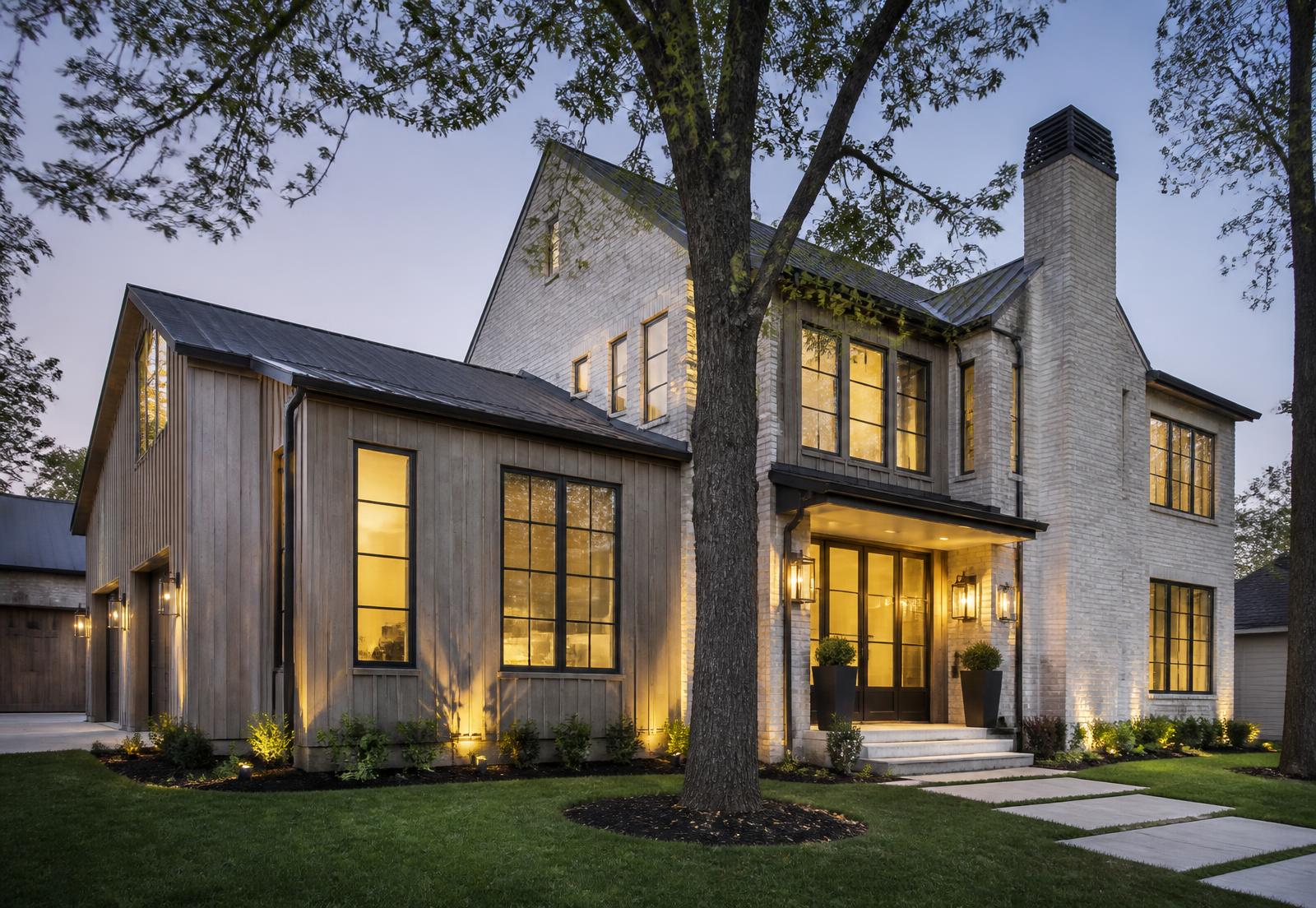
New construction in NoDa is more than a building type: it changes how parcels, streets, infrastructure, and neighbors fit together.
New construction in NoDa raises questions that a rendering cannot answer. Where will vehicles cross the sidewalk? What happens to runoff when a lot gains roofs and pavement? Does an approval cover the building shown in an advertisement, or only establish what could be allowed? In Charlotte, North Carolina’s North Davidson arts district, those questions matter because infill puts new uses beside existing homes, former industrial properties, and established street patterns.
The useful distinction is not simply old versus new. It is between the building, the rules governing its parcel, and the obligations that continue after construction. For anyone evaluating NoDa Charlotte development, the strongest starting point is a verification process—not an assumption that new means finished, low-maintenance, or fully explained.
Start with the parcel, not the neighborhood label
NoDa’s mill-village and industrial history helps explain why neighboring parcels can differ in size, building placement, and access. Our history of NoDa and the mill village provides that context. Infill works within an existing pattern rather than beginning with an empty subdivision, so the relationship between a proposed building and its neighbors deserves attention.
Neither “NoDa” nor ZIP code 28205 establishes zoning, ownership boundaries, or development rights. Begin with Mecklenburg County POLARIS to identify the parcel, its identification number, and mapped context. If a project appears to occupy several lots, identify each one; a marketing name may describe more than a single tax parcel.
Use those parcel identifiers when searching City of Charlotte planning records. Treat map lines as a starting point, not a substitute for a survey, recorded plat, or title review. To understand the surrounding block, compare the parcel with the NoDa streets and sub-pockets guide, then inspect its actual street frontage and access arrangements.
Separate a proposal from permission to build
“Planned,” “approved,” and “under construction” describe different things. A rezoning approval does not establish that building permits have been issued. A permit does not establish that construction is complete. A finished-looking exterior does not establish that a building has authorization for occupancy.
Search the City of Charlotte’s official zoning map, Unified Development Ordinance, and applicable rezoning case records. Where a conditional rezoning applies, read the approved plan and conditions rather than relying only on the general zoning label. Ask which rules govern the particular proposal, including any applicable transition or vested-rights provisions.
- Zoning: What uses, building dimensions, setbacks, and other standards apply?
- Approval: Is there a binding site plan, and what does it require?
- Permitting: What permits and revisions cover the work being described?
- Occupancy: What inspections and occupancy documentation remain outstanding?
Use Mecklenburg County Code Enforcement for county-administered building permit and inspection records, and the City for relevant planning and land-development records. Ask which agency controls an unresolved item. Our NoDa new-construction guide can organize the subject, but official records must establish a particular project’s status.
Read the street edge as carefully as the floor plan
Infill changes a block through small physical decisions: driveway locations, garage entrances, refuse storage, utility equipment, and the placement of doors. A building can add housing while also creating conflicts at the sidewalk. Conversely, an entrance facing the street is not enough to establish a comfortable walking route.
On a reader’s own site visit, trace the route from the proposed entrance to the public sidewalk and onward to an actual crossing. Note where vehicles would reverse or turn across that route. Compare what is visible with approved plans, distinguishing existing conditions from improvements that are merely depicted.
For a parcel on or near North Davidson Street, examine loading, deliveries, and garage access alongside pedestrian movement. Ask whether any advertised sidewalk or streetscape work is an enforceable project requirement, who must deliver it, and whether its completion is tied to an approval milestone.
Proximity to the LYNX Blue Line does not resolve these questions. Use CATS for current station access and service information, and the City for street or sidewalk project status. The NoDa transit and walkability guide is a useful framework for evaluating the connection rather than assuming it.
Ask where water goes—and who maintains the solution
Additional roofs, driveways, and paved areas can alter how water moves across a site. Do not infer drainage performance from a level-looking yard or new landscaping. Ask for the applicable grading and drainage plans, and identify where runoff is intended to flow.
Use Charlotte-Mecklenburg Storm Water Services resources to investigate mapped flood hazards and relevant stormwater requirements. A location outside a mapped floodplain does not establish that a parcel has no drainage problems. Floodplain mapping, local drainage, and a building’s waterproofing answer different questions.
If a design includes stormwater facilities, retaining walls, or shared drainage features, ask who owns them, who can access them for maintenance, and who pays for repairs. Recorded easements and maintenance agreements matter more than a verbal explanation. Tree protection and utility placement also deserve a plan-based check; neither a mature canopy nor a rendering guarantees which trees will remain.
Clarify what ownership actually includes
A row of attached homes can look consistent while its legal structure is anything but obvious. “Townhome” describes a form of housing, not a complete ownership arrangement. Determine whether the property is fee-simple, condominium ownership, or another structure, and obtain the governing documents.
Our NoDa townhomes guide supplies broader context. For a particular development, identify responsibility for roofs, exterior walls, shared drives, drainage, landscaping, and insurance. If an association exists, read its budget, maintenance duties, reserve provisions, and assessment authority. Ask how control transfers from the developer to owners and what obligations remain during later construction phases.
New construction also warrants an independent inspection strategy. Ask a qualified inspector which stages can be evaluated before finishes conceal components. Read warranties for exclusions, claim procedures, and responsible parties; a warranty is not a substitute for understanding construction quality or future maintenance.
Look beyond the construction fence
A neighboring vacant lot is not a permanent view, and an existing low-rise building does not establish the maximum future scale of its parcel. Check adjoining parcels separately through POLARIS and City zoning records. Search for relevant applications, but remember that an absence of a rezoning case does not mean development is impossible: some work can proceed under existing permissions.
For an active project, ask about approved access, work-hour restrictions, temporary sidewalk arrangements, and remaining phases. Confirm restrictions with the responsible public agency rather than assuming a contractor’s schedule is a legal limit.
The enduring test is whether a project’s promises can be translated into documents, physical connections, and clear responsibilities. Keep a dated record of the materials you obtain, note unresolved questions, and recheck consequential facts before committing. Our editorial standards and citation methodology reflect the same distinction: neighborhood context can guide the questions, but current primary sources must supply the answers.
How this entry was made: journal entries are drafted with an AI writing model and published automatically only after passing editorial checks for length, sourcing language, internal links and banned unverified claims. They contain no first-hand visits, interviews or quotes. Read our methodology and disclosures, or report an error to npeters@yourleaderinluxury.com.
Answers
Questions & Answers
How can I verify the status of a NoDa infill project?
Where to verify: City of Charlotte / Mecklenburg County Code Enforcement permitting
Does a new townhome always include ownership of the land?
Can land beside a new NoDa home be developed later?
Where to verify: City of Charlotte Unified Development Ordinance (2023)
More from the journal
Outdoor NoDa: Parks, Creek Corridors, and the Route Between
NoDa’s outdoor spaces make more sense when you consider the entrance, the route, and the difference between a public park and a planned connection.
Schools in 28205: A NoDa Family’s Verification Guide
For families considering NoDa, school planning starts with an exact address, a school year, and questions that a ZIP code cannot answer.
Publisher's businesses
The Peters businesses
Reading only gets a NoDa project so far. When it turns into offers, drawings or wiring, these are the companies connected to this guide.
These businesses are owned by or connected to this guide's publishers, Nicholas and Miriam Peters. Read the disclosure.
The wider family of guides is on Beyond NoDa.
- 01
Luxury real estate
Peters & Associates
The Peters brokerage's luxury practice, led by Nicholas and Miriam Peters, representing buyers and sellers privately.
Buying or selling a higher-end NoDa home — a renovated bungalow, a new infill house, a top-floor loft.
- 02
Real estate representation
Peters & Associates — The Peters Team
The same brokerage's Charlotte-wide site, with a home search and home-valuation requests. A separate website from yourleaderinluxury.com, not a redirect.
Condos, townhomes and first purchases, or weighing NoDa against other Charlotte neighborhoods.
- 03
Luxury custom home builder
Peters Custom Homes
A founder-led Charlotte builder of a small number of custom estate homes a year.
A substantial new house or major rebuild on a lot that can support one. Most NoDa lofts and condos are not that project.
- 04
Luxury spec home builder
Peters Signature Homes
The Peters spec-home company, building finished homes for sale rather than to a client's drawings.
Buyers who want a newly built house without running a build. No current NoDa inventory is implied.
- 05
Interior design
Emerald & Oak Design
Miriam Peters' interior design studio, working on custom homes, renovations and new construction.
Planning a renovation or furnishing a loft or bungalow where layout and materials both matter.
- 06
Home audio, video & technology
Peters Audio Video
Home theatres, whole-home audio, lighting control, networking and security.
Wiring a renovation or new build. In a condo, check building rules on penetrations and wiring first.
- 07
Luxury travel guides
Peters Signature Travel
Luxury travel guides, hotel reviews and destination insights.
Not a NoDa service — listed so it stays one click away.