Journal · October 8, 2026
Reading NoDa’s Walls: Public Art Beyond the Photo
NoDa’s public art rewards a closer look at the artists, buildings, permissions, and neighborhood history behind the image.
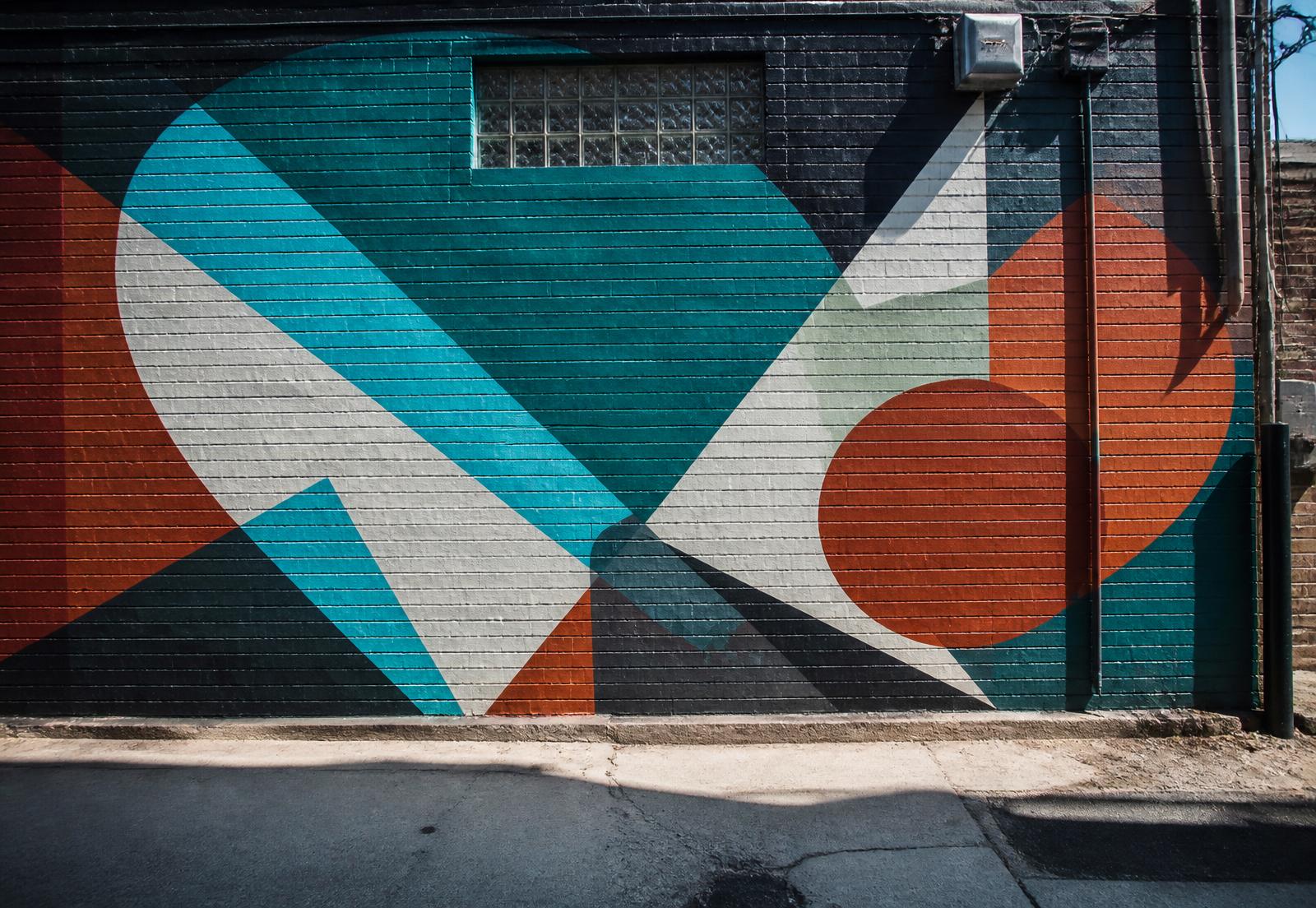
A mural photograph can tell you what a wall looked like when the shutter clicked. It cannot, by itself, tell you who commissioned the work, whether the artist intended it to be permanent, or whether the spot where the photographer stood is open to the public. In NoDa, those distinctions matter. Art is part of the neighborhood’s identity, but treating every painted surface as a permanent attraction flattens both the artwork and the place around it.
A useful approach to NoDa murals and public art starts with context, then asks a few practical questions. What is the relationship between the work and its building? Whose story does it tell? Can you identify the artist? What evidence establishes that it is still there and accessible? Those questions make for a more rewarding outing than trying to reproduce a collection of undated photographs.
Start with the neighborhood, not a mural checklist
NoDa takes its name from North Davidson Street, and its identity as an arts district sits alongside an older textile-mill and residential history. The industrial buildings, smaller homes, and commercial streets are not merely scenery behind the art. They help explain why questions about reuse, ownership, neighborhood identity, and change belong in any discussion of its public-facing walls.
Our history of NoDa and the mill village offers a starting point for that context. When looking at a work, distinguish documented history from your own interpretation. A painted reference to labor, for example, would not establish a connection to a particular mill unless the artist or commissioning record supported it. Visual impressions can be meaningful without becoming historical claims.
Geography also deserves care. A NoDa Charlotte search may return artworks outside the area you intended to explore. The 28205 ZIP code is a postal designation, not a precise boundary for an arts walk. Establish the location of each proposed stop rather than assuming everything carrying the neighborhood name belongs on the same route.
Publicly visible does not mean publicly owned
“Public art” can describe different arrangements: a work commissioned through a public program, a privately commissioned mural visible from the street, or an installation presented with permission on private property. Those categories affect who authorizes access, who maintains the work, and what information is available about its future.
A large painted wall does not automatically carry public access rights. Nor does visibility from a sidewalk establish permission to enter a courtyard, parking area, loading space, or residential entrance for a better angle. Read posted restrictions and keep your viewing position within areas where you are allowed to be.
Use our NoDa arts guide as an orientation tool rather than proof of a work’s current condition. If a work is described as city-sponsored, look for the City of Charlotte’s own project or program documentation. For a privately commissioned piece, an artist’s project page or the commissioning organization’s account may be the more relevant source.
Give the artist more attention than the backdrop
Before photographing, look for a signature, credit panel, title, or commissioning acknowledgment that can be read without touching the work or entering restricted space. Record the wording accurately. A sponsor’s name is not necessarily the artist’s name, and the person who posted a photograph is not necessarily its creator.
If no credit is visible, search using the location and a neutral visual description, then compare the results with an artist’s portfolio or a commissioning record. Image matches and reposted captions can offer leads, but they are not substitutes for attribution. If the evidence remains uncertain, leave the credit unresolved rather than assigning a name by resemblance.
Reading an artist’s statement can change the encounter. Color and scale may catch your attention first; the statement may explain a subject, collaboration, or intended audience that a photograph misses. It can also reveal when your interpretation differs from the artist’s stated purpose. Both can belong in a conversation, provided they are not presented as the same thing.
Check what is there before building a route
Murals are attached to surfaces that need maintenance and belong to someone. Repainting, repairs, changes in permission, and building work can affect what remains visible. An older image establishes an earlier appearance, not a promise about today. A search engine’s crawl date is also not necessarily the date of the photograph or artwork.
For each piece you hope to see, work through a short verification sequence:
- Identify the location: Match the building or parcel, not just a neighborhood label or image caption.
- Find the source: Prefer the artist, commissioning body, property operator, or responsible public agency.
- Separate the dates: Distinguish installation information from the date a page was published or updated.
- Check access independently: Verify whether the viewing area is public, permission-based, or subject to restrictions.
- Keep a fallback: Plan an outing that remains worthwhile if a particular wall is covered or inaccessible.
Our NoDa map can help organize the geography, but a map marker alone cannot confirm an artwork’s survival. Mecklenburg County POLARIS can help identify parcels and ownership records; it does not establish mural authorship or permission to enter. City of Charlotte permit and project information may help explain building activity, but a permit is not proof that work has been completed.
Read the building as well as the image
Step back where it is safe and permitted, and consider the wall’s proportions, windows, entrances, and relationship to the street. Does the composition respond to those features, or read like an image placed on top of them? This is a useful observation exercise even when you do not know the work’s title.
The NoDa architecture guide provides another lens for thinking about the setting. Keep physical observation separate from structural conclusions: visible brick does not prove a building’s age, and painted masonry does not establish its condition. A mural can invite closer attention to architecture without serving as evidence about preservation or renovation.
Make the outing work for the street, too
Build a compact route around verified locations and lawful viewing positions. Check crossings, sidewalk continuity, and any construction restrictions instead of relying on a straight line between map pins. If using transit, consult CATS for current service information and access notices; our transit and walkability guide supplies broader planning context.
Keep doorways and sidewalks clear while looking or taking photographs. Do not move barriers, lean equipment against artwork, or step into traffic to widen the frame. For a commercial shoot, establish the applicable property permissions, permitting requirements, and artwork reproduction rights rather than assuming ordinary street visibility settles every question.
The enduring value of an art walk is not completing a fixed inventory. It is learning to notice authorship, setting, and the difference between a documented fact and an appealing assumption. Our editorial standards and citation methodology explain that distinction. Bring the same discipline to NoDa’s walls: credit what you can verify, acknowledge what you cannot, and let the neighborhood be more than a backdrop.
How this entry was made: journal entries are drafted with an AI writing model and published automatically only after passing editorial checks for length, sourcing language, internal links and banned unverified claims. They contain no first-hand visits, interviews or quotes. Read our methodology and disclosures, or report an error to npeters@yourleaderinluxury.com.
Answers
Questions & Answers
How can I check whether a NoDa mural is still visible?
Are all murals visible from NoDa streets public property?
Where should I look for a mural’s artist credit?
More from the journal
NoDa Brewery Culture: Shared Tables, Changing Details
NoDa’s taproom culture makes more sense when you consider the mill district around it—and separate enduring neighborhood context from details that need checking.
From NoDa to Work: Planning a Blue Line Commute
A useful NoDa commute plan starts at your door, not the platform, and accounts for the trip home as carefully as the ride to work.
NoDa Taprooms: A Neighborhood Beyond the Beer List
Understanding NoDa’s taproom culture starts with the neighborhood—and with checking what a brewery name, event calendar, or patio photograph cannot tell you.
Publisher's businesses
The Peters businesses
Reading only gets a NoDa project so far. When it turns into offers, drawings or wiring, these are the companies connected to this guide.
These businesses are owned by or connected to this guide's publishers, Nicholas and Miriam Peters. Read the disclosure.
The wider family of guides is on Beyond NoDa.
- 01
Luxury real estate
Peters & Associates
The Peters brokerage's luxury practice, led by Nicholas and Miriam Peters, representing buyers and sellers privately.
Buying or selling a higher-end NoDa home — a renovated bungalow, a new infill house, a top-floor loft.
- 02
Real estate representation
Peters & Associates — The Peters Team
The same brokerage's Charlotte-wide site, with a home search and home-valuation requests. A separate website from yourleaderinluxury.com, not a redirect.
Condos, townhomes and first purchases, or weighing NoDa against other Charlotte neighborhoods.
- 03
Luxury custom home builder
Peters Custom Homes
A founder-led Charlotte builder of a small number of custom estate homes a year.
A substantial new house or major rebuild on a lot that can support one. Most NoDa lofts and condos are not that project.
- 04
Luxury spec home builder
Peters Signature Homes
The Peters spec-home company, building finished homes for sale rather than to a client's drawings.
Buyers who want a newly built house without running a build. No current NoDa inventory is implied.
- 05
Interior design
Emerald & Oak Design
Miriam Peters' interior design studio, working on custom homes, renovations and new construction.
Planning a renovation or furnishing a loft or bungalow where layout and materials both matter.
- 06
Home audio, video & technology
Peters Audio Video
Home theatres, whole-home audio, lighting control, networking and security.
Wiring a renovation or new build. In a condo, check building rules on penetrations and wiring first.
- 07
Luxury travel guides
Peters Signature Travel
Luxury travel guides, hotel reviews and destination insights.
Not a NoDa service — listed so it stays one click away.