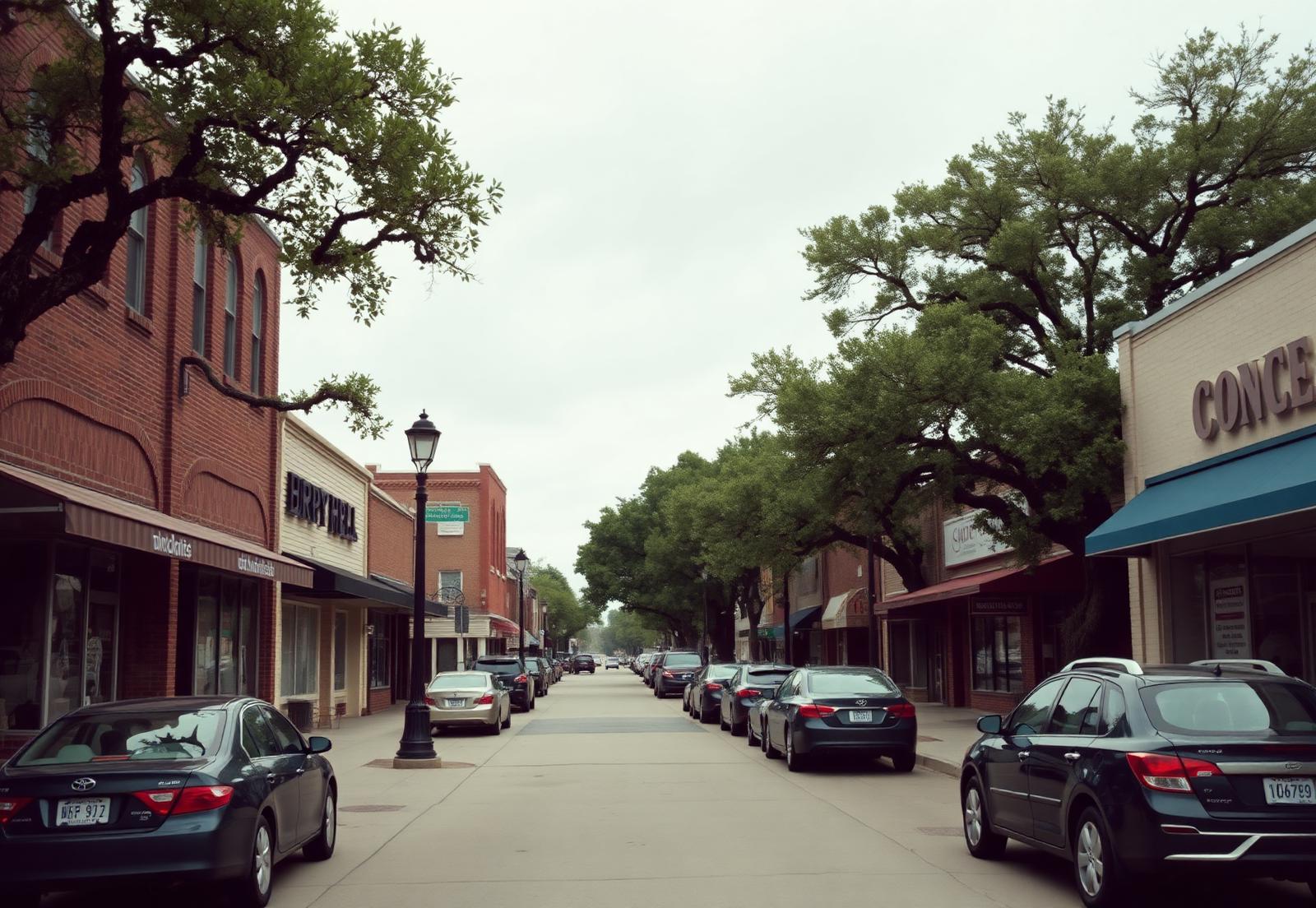
Eclectic older commercial strip with one-story brick storefronts and mature oaks in Charlotte

Comparison

NoDa vs. Plaza Midwood

Two older-Charlotte neighborhoods with similar reputations and genuinely different mechanics.

These are the two neighborhoods Charlotte buyers cross-shop most often, and for good reason: both are older, both are walkable, both have a strong independent food and bar scene, and both attract people who do not want a subdivision.

The differences that actually decide the choice are structural rather than atmospheric — transit, housing stock, lot geometry and the shape of the commercial district. This page works through them one at a time.

Transit is the clearest structural difference

NoDa has the LYNX Blue Line running through it, with the 36th Street Station in the middle of its commercial node. That gives residents a one-seat, no-parking ride to Uptown and South End and it anchors transit-oriented development along the corridor.

Plaza Midwood has no rail. It is well connected by road and reasonably served by bus, but daily commuting is a driving proposition for most residents. If car-free or car-light living is the goal, this single difference usually settles the question.

Housing stock and lots

NoDa's ownership stock leans toward mill-village cottages on narrow lots, converted mill lofts, condo-form and fee-simple townhomes, and dense infill. The vertical, attached product share is high because the lots are small and the corridor supports density.

Plaza Midwood skews more toward detached houses on larger, tree-shaded lots, with a deeper bench of bungalows and mid-century homes and correspondingly more yard. Buyers who want land, mature canopy and a driveway usually find more of it there.

The practical result: NoDa tends to offer more attached ownership options at a given price, Plaza Midwood more detached ones with outdoor space.

Commercial districts feel different

NoDa's commercial core is compact and vertical in feel — a short, dense strip of historic storefronts around one intersection, weighted toward music venues, taprooms, galleries and late-night activity.

Plaza Midwood's district is more linear and spread along its main road, with an eclectic mix that includes more everyday retail and services alongside the bars and restaurants. It reads as a broader, less concentrated commercial fabric.

Neither is objectively better. NoDa concentrates energy into a few blocks; Plaza Midwood distributes it over a longer stretch.

Nightlife and noise exposure

NoDa's density means the nightlife footprint is tight, which is excellent if you want to walk to it and a real consideration if you want to sleep next to it. Units directly on the corridor carry meaningful evening noise exposure.

Plaza Midwood's commercial activity spreads over a longer distance, so fewer residential blocks sit immediately adjacent to concentrated late-night traffic. Buyers sensitive to noise often find the buffer easier to achieve there.

Schools and household stage

Both neighborhoods sit within Charlotte-Mecklenburg Schools, and assignment is by address rather than by neighborhood name. Boundaries change, magnet options complicate the picture, and two houses a few blocks apart can be assigned differently.

Verify assignment for the specific address with CMS before drawing conclusions from either neighborhood's reputation. Family-stage buyers frequently narrow to specific blocks for this reason alone, in both districts.

Who each one usually suits

NoDa tends to suit buyers who want rail access, a compact walkable core, attached or loft-style product, and proximity to nightlife and the arts calendar. It suits people who value being in the middle of the activity.

Plaza Midwood tends to suit buyers who want a detached house with a real yard and mature trees, a slightly quieter residential fabric, and an eclectic commercial strip they can drive or walk to depending on the day.

If you cannot decide, the deciding test is usually the commute. Run yours both ways, at the hour you would actually travel, before ranking anything else.

Answers

Questions & Answers

Is NoDa or Plaza Midwood better?
Neither is objectively better. NoDa has light rail, a denser walkable core and more attached and loft product; Plaza Midwood generally has larger lots, more detached houses and a longer, more spread-out commercial strip.

Source: Charlotte Area Transit System — LYNX Blue Line

Does Plaza Midwood have light rail?
No. Plaza Midwood is served by road and bus. NoDa has LYNX Blue Line stations within the district, which is the clearest structural difference between them.

Source: Charlotte Area Transit System — LYNX Blue Line

Which is quieter, NoDa or Plaza Midwood?
It depends on the block, but NoDa concentrates nightlife into a few blocks, so residential units near the corridor have higher exposure. Plaza Midwood's activity spreads over a longer stretch.

Source: Charlotte's Got a Lot — official visitor guide

Which has bigger yards?
Plaza Midwood generally. NoDa's mill-village origins produced narrow lots, and much of its newer ownership stock is attached.

Source: National Register of Historic Places — NC State Historic Preservation Office

Do NoDa and Plaza Midwood share schools?
Both are in Charlotte-Mecklenburg Schools, but assignment is by address. Verify the specific address with CMS rather than relying on the neighborhood name.

Source: Charlotte-Mecklenburg Schools school locator

Recommendations

Who we recommend in NoDa

Four specialists we point people toward when a NoDa project moves from reading to doing. Each works this neighborhood specifically, not the metro generally.

Builder & renovation

Peters Custom Homes

New construction, mill-village restorations, and additions built to survive a historic district's constraints — from foundation work on 1910 cottages to infill on tight 28205 lots.

Real estate

Peters & Associates

Representation for buyers and sellers across NoDa's lofts, bungalows, and condo communities, with the market read that comes from working one neighborhood closely.

Interior design

Emerald & Oak

Interiors for brick-and-timber lofts and small-footprint bungalows: material palettes, custom millwork, lighting, and furnishing plans that respect the building.

Smart home & AV

Peters Audio Video

Networking, whole-home audio, theater, lighting control, and shading — engineered for masonry walls and open loft volumes where signal and acoustics fight back.

Primary sources

What this page is built on

We cite the primary record rather than aggregator estimates. Where a figure moves, check the source directly before relying on it.

  1. 01Charlotte Area Transit System — LYNX Blue Line
  2. 02Mecklenburg County POLARIS 3G parcel viewer
  3. 03Charlotte-Mecklenburg Schools school locator
  4. 04City of Charlotte
  5. 05Mecklenburg County Assessor's Office property records